
D1 Dryer
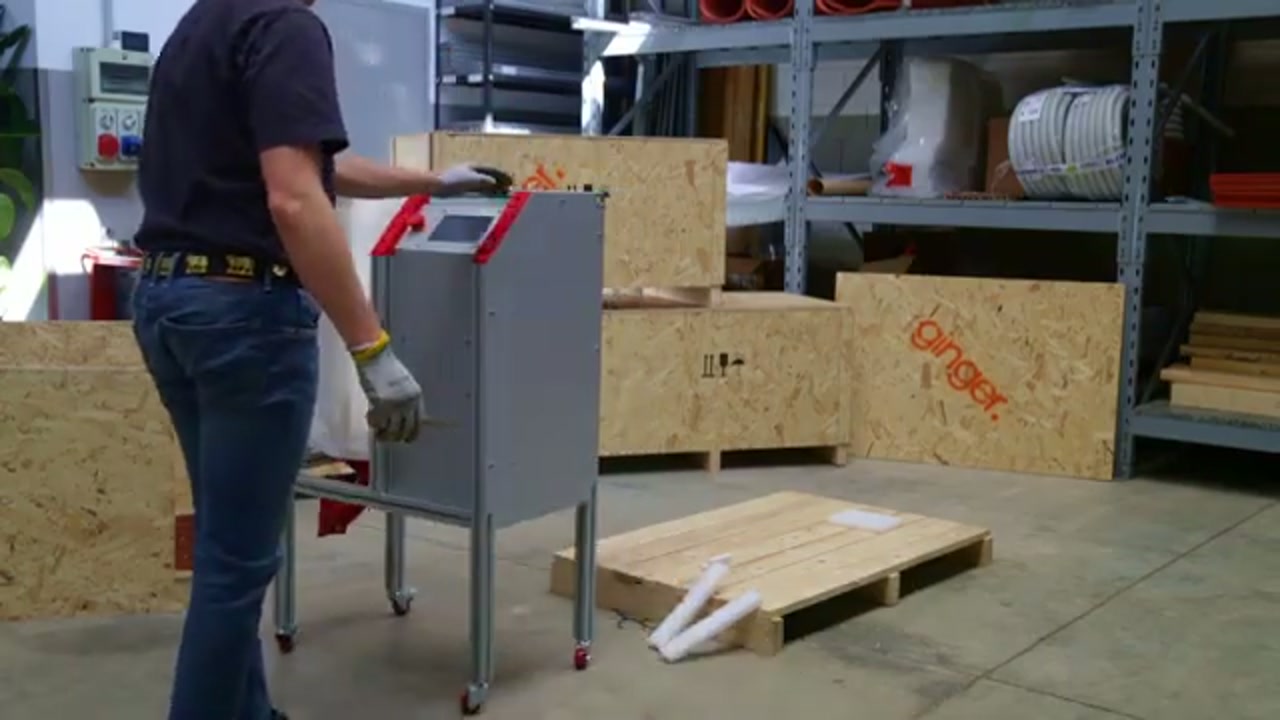
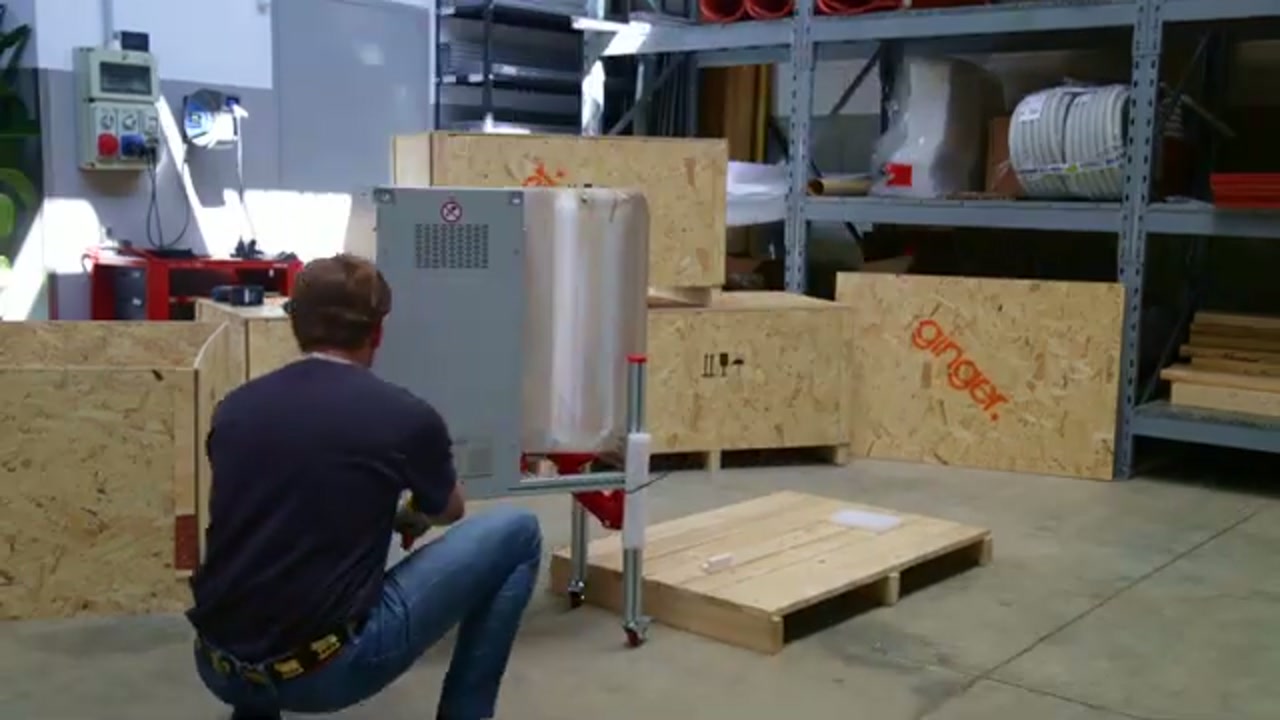
The D1 is the Ginger Additive native pellet dryer, designed specifically for FGF printing with the G1 printer. It is a purpose-built hopper dryer that removes moisture from hygroscopic pellets before printing.
What this section covers
Section titled “What this section covers”| Page | Description |
|---|---|
| D1 setup and first assembly | Unboxing, assembly, and first-time setup |
| D1 maintenance | Routine maintenance — cleaning, inspection, pellet gate checks |
| Flashing the D1 SD card | Reinstalling DryerOS on the Raspberry Pi behind the screen |
Quick overview
Section titled “Quick overview”The D1 is a compact, mobile pellet dryer with a heated cylindrical tank. Key characteristics:
- Compact footprint — fits alongside the G1 in a standard workshop
- Red caster wheels — roll it in and out of position easily
- Transparent cylindrical pellet tank — visible fill level at a glance
- Pellet gate under the tank — where the feed line to the printer starts, clamped on with a worm-drive hose clamp. The G1’s vacuum draws the pellets up to the machine, so the run has to rise the whole way — see Corrugated tube
- Front-mounted control panel — temperature set and read, a drying-cycle toggle, indicator lights for heater, fan and air valve, and stored temperature graphs. There is no timer: the cycle runs until you stop it
When you need the D1
Section titled “When you need the D1”Hygroscopic materials must be dried before printing to avoid foaming, stringing, and poor layer adhesion. The D1 is required (or strongly recommended) for:
- PETG — absorbs moisture within hours of open-air exposure
- rPLA recycled — recycled grades are often wetter than virgin PLA
- PLA virgin — usually not; see the exceptions on Starting the dryer
Temperatures and times
Section titled “Temperatures and times”They are on one page, shared with every other dryer, so the D1 section does not carry its own copy: Starting the dryer. The short version — PETG in the 60–70 °C band for 4 to 6 hours, recycled PLA at 50 °C for 4, virgin PLA usually not at all — and the rule that matters more than any number: back off the moment pellets start packing together.
Specifications
Section titled “Specifications”Power, drying range, ambient limits and connectivity are on D1 specifications, taken from the CE user manual.
Related notes
Section titled “Related notes”- D1 setup and first assembly
- Dryer — full temperature table, general dryer guidance
- Starting the dryer
- PETG foaming and moisture
- Hopper
- Loading pellets